How Poor Drainage Can Damage Your Home’s Foundation (and How to Prevent It)
Heavy summer storms and long winter rains in Athens, GA make water management a year-round concern. When water lingers along your walls or seeps into the soil under your slab or crawl space, small problems can turn into big ones. If you have been searching for clear answers about foundation drainage issues, this guide explains what is really happening below the surface and how professional landscaping services can protect your home.
At Beattie Outdoor Solutions, we view drainage as more than moving water. It is about protecting the structure you live in. Water pressure, soil movement, and poor grading stress foundations in Five Points, Oconee Heights, Normaltown, and across Clarke and Oconee counties. Drainage solutions that are sized and installed for your yard make a measurable difference in stability, indoor air quality, and peace of mind.
Water against the foundation always wins over time. The goal is to guide it away before it can pool, press, or soak. Below, you will learn what to watch for, why it happens, and the professional fixes that last.
Why Drainage Problems Threaten Your Foundation
Foundations are designed to hold up your house, not hold back a pond. When water collects against the footing, it creates hydrostatic pressure. That pressure pushes sideways on basement or crawl space walls and seeps through hairline cracks. In our clay-heavy soils, water also swells the ground during wet spells and then shrinks as it dries. This repeating cycle can lift one part of a foundation while another part settles, leading to visible cracks and sticky doors.
Over time, poor yard water control can:
- Loosen and wash away fine soils that support piers and footings.
- Create damp crawl spaces that invite wood decay and pests.
- Lead to mold odors inside living spaces and damage to stored items.
- Cause flaking concrete or efflorescence on interior walls.
Signs Of Foundation Drainage Issues Around Athens Homes
Early warning signs are often out in the yard or around the base of the house. If you notice any of the following after a storm, it is time to speak with a pro:
- Standing water that remains more than 24 hours near the slab or crawl space vents.
- Soil lines or mulch washed away, especially along the downhill side of the home.
- Downspout outlets that dump water right beside the wall or splash blocks that are too short.
- Musty smells in the crawl space or a damp ring on basement walls.
- Cracks that step through brick or block, or interior drywall seams that widen seasonally.
Never ignore standing water near your slab or crawl space. It is often the clearest sign that grading, gutters, or sub-surface drainage are not keeping up with local rainfall.
How Water Actually Damages Concrete, Block, And Crawl Spaces
Concrete is strong in compression but weak in tension. When wet soil swells or when water pressure builds up on one side of a wall, the wall can bow or crack. In block foundations, joints can widen and let in more moisture. In crawl spaces, wet soils raise humidity, which feeds wood rot and can cause insulation to sag. Even if you do not see water inside, moisture vapor moves through concrete and block. That is why a yard that drains well is just as important as interior waterproofing measures.
Here is the chain reaction we see often in Athens and nearby neighborhoods like Boulevard and Beechwood: a clogged gutter overflows, water dumps next to the wall, clay soil saturates, and the footing area stays wet for days. With repeated storms, that zone never fully dries. The soil loses strength, and small cracks form. Months later, you notice doors sticking or a corner of the porch settling. By then, the fix is larger than a simple cleanup.
Common Triggers In Athens, GA Yards
Athens sits on soils with a lot of red clay. Clay does not let water pass quickly. Combine that with sloped streets, shaded lots filled with leaves, and summer cloudbursts, and you get water that looks for the easiest path. Unfortunately, that path is often toward the foundation. Other common triggers include:
- Downspouts cut short or buried without a proper outlet to daylight
- Low spots created by settling backfill around newer homes
- Driveway edges that send runoff straight to the garage wall
- Landscape beds raised against siding without a drainage gap
Professional Drainage Solutions That Protect Your Home
There is no one-size-fits-all fix. A trained team evaluates the way water moves across your lot, the slope, soil type, roof area, and where water can safely exit. Then they combine proven systems that work together. Some of the most reliable approaches include:
- Regrading selected areas so water naturally flows away from the wall
- Extending downspouts to a safe outlet or tying them into a yard drain system
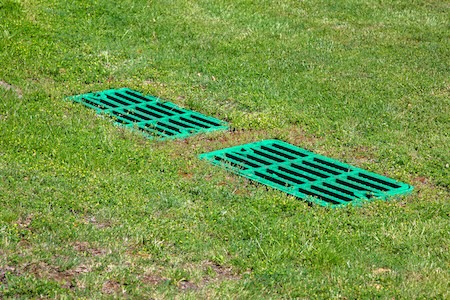
- Installing catch basins to collect surface water from low spots
- Placing a properly sized French drain to intercept subsurface flow
- Adding a channel drain where hard surfaces push water toward the house
- Directing water to a daylight point or an approved dispersal area that will not erode
These methods protect foundations when they are designed as a system. If you are exploring options, read more about targeted drainage solutions that can be integrated with your landscape plan and future projects.
Avoid routing downspouts into pipes without a safe daylight outlet. Trapped water can back up and saturate soils right where you least want it: next to the footing.
What To Expect From A Qualified Drainage Contractor In Athens
Choosing the right partner matters. The contractor should focus on protecting the structure, not just masking puddles. Here is what a thorough assessment usually includes:
- Measuring roof area to size outlets and determine expected runoff.
- Checking gutter condition, slopes, and debris load near tree cover.
- Surveying grades with a level to map flow paths and low points.
- Identifying safe discharge locations that do not impact neighbors or public ways.
- Documenting cracks, door and window function, and interior moisture clues.
They should also explain how the plan addresses both surface water and subsurface moisture. At Beattie Outdoor Solutions, our landscaping services team designs with long-term stability in mind so that new beds, sod, or hardscapes enhance, not block, drainage paths. If you are researching foundation drainage issues and how they relate to yard design, you are in the right place.
Long-Term Yard Water Control And Maintenance
Drainage is not a one-time task. Leaves from oaks and pines in Boulevard or Five Points can clog basins and downspout screens in a single storm. Seasonal checks keep systems clear so water continues to move away from the house. Homeowners often ask what a healthy yard water plan looks like over time. It focuses on prevention and simple upkeep supported by a professional team.
Smart maintenance priorities include:
- Clearing gutters and curbside inlets before and after major storms.
- Confirming that downspout extensions remain connected and undamaged.
- Watching for new low spots after landscape changes or utility work.
- Scheduling an annual review to confirm that drains are flowing and outlets remain stable.
Because our region can see a string of pop-up storms, systems should be sized with a margin of safety. When done right, you will notice faster yard dry-out times, drier crawl spaces, and fewer seasonal crack changes. Your lawn and beds will also look better since roots do not sit in soggy soil.
Real-World Examples Of Problems We See Locally
In parts of East Athens with steeper lots, water often sweeps across driveways and cuts a groove along the side of the house. A simple splash block will not control that much flow. In flatter neighborhoods, water can sheet off the roof and linger in the same corner after every rain. Over months, the soil there turns to muck and the mulch line sags. You might also notice mushrooms around fence posts or a persistent damp smell from floor vents. Each of these clues points to the same root cause: water is not being moved far enough away from the foundation.
When our team designs a plan, we think about how roof runoff, slope, plantings, and hard surfaces interact. We align catch basins, drains, and outlets so they do not fight each other. That is how we tie landscaping services to home protection for strong, long-term results.
Get Help Protecting Your Foundation In Athens, GA
Protect your home with professional drainage solutions in Athens, ga. When you are ready to see a clear plan for your property, our specialists can assess the way water moves on your lot and explain the best next step in plain language. You can start by reviewing our approach to comprehensive drainage solutions and how they integrate with grading, plantings, and hardscapes.
Have questions or want to schedule a site visit with Beattie Outdoor Solutions? Call us at 706-781-5802 and share what you are seeing after rain. We will help you prioritize the steps that keep water away from the places it can do the most harm.
Athens weather will always test your yard. The difference is whether that water is guided safely away from the foundation or allowed to sit and press. If you are dealing with ongoing pooling, musty smells, or recurring cracks, it is time for a professional plan that puts home protection first.
Save Money & Time with Professional Hardscaping & Landscaping Services in Athens & Surrounding Areas