How Grading and Sod Installation Work Together for a Perfect Lawn in Athens, GA
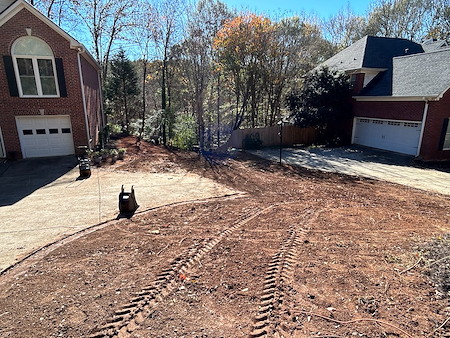
A smooth, green lawn does not happen by accident. In Athens, GA, success starts with smart lawn grading followed by quality sod. When you combine precise yard leveling with professional sod installation, you set the root zone, drainage, and soil contact up for long-term health. This guide explains how the two steps fit together and what homeowners across Five Points, Normaltown, Boulevard, and the Eastside can expect.
If you are comparing lawn grading aned sod in Athens, GA, keep reading to see how each phase supports the other. We will walk through a typical project, highlight local factors like Georgia red clay and summer heat, and share before-and-after outcomes you can use to visualize your yard’s potential.
Why Lawn Grading Matters In Athens, GA
Grading shapes the land so water flows away from your house and off the lawn at a steady, gentle pace. In our area, heavy spring storms can turn small dips into puddles and ruts. Georgia red clay drains slowly when compacted, so even slight low spots keep grass roots soggy. Over time, that leads to disease, weeds, and thin turf. Proper grading creates a consistent plane so every sod piece contacts soil evenly and gets the same moisture.
Elevation changes also affect mowing and wear. A smooth grade prevents scalping on the high spots and puddling in the lows. Done right, grading reduces erosion on slopes common along the Oconee River corridor and older in-town lots, where driveways and sidewalks can channel runoff.
How Professional Sod Installation Builds On Proper Grading
Sod thrives when it rests on firm, even soil with correct pitch. After grading, crews fine-tune the top layer, remove stones and debris, and check slope around patios, downspouts, and walkways. Tight seams, staggered joints, and solid contact help roots knit quickly. In shaded streets like Boulevard, installers may suggest varieties that tolerate partial shade so the grade and the grass species work together.
Think of it like a foundation and a finish floor. Grading is the foundation that controls water and surface smoothness. The sod is the finish that delivers instant curb appeal. Skipping the foundation or rushing it first leads to wavy seams, settle lines, and weak rooting that shows up in the first dry spell of July.
What To Expect On A Typical Project
Every property is unique, but most Athens projects follow a clear path:
- Site walk: confirm problem areas, check slope away from the home, and note shade and traffic patterns.
- Rough grade: shape the yard to establish fall away from the foundation and toward safe drainage points.
- Fine grade: smooth the surface, blend transitions, and ensure even soil depth for new sod.
- Sod placement: lay tight seams in a brick pattern, roll for contact, and water-in for uniform settling.
Because our soils can be compacted from construction or past use, crews often test firmness underfoot. The goal is firm enough to prevent footprints but not so hard that roots struggle to penetrate. This balance helps new turf take hold across the entire lawn rather than rooting fast in a few spots and lagging in others.
Local Factors That Affect Grading And Sod
Our climate and terrain shape the approach. Spring and fall storms put drainage to the test. Summer heat and occasional drought highlight weak rooting and uneven soil contact. Large hardwoods in Five Points and Beechwood add shade and leaf litter, which can trap moisture at the surface if the grade is flat in pockets. Nearby slopes can also shed water into a yard, so crews plan exit routes that do not erode beds or neighbor spaces.
Soil texture matters, too. Athens red clay holds water once saturated, then hardens when dry. A smooth, consistent grade prevents water from lingering on the surface in wet periods and ensures even depth for roots when conditions turn dry. Where foot traffic is high, such as near driveways or mailboxes, a slightly firmer final pass helps resist early imprints that can telegraph through the sod.
Common Problems Good Grading Prevents
- Puddling that drowns roots and invites disease after spring storms.
- Erosion channels on slopes that wash away topsoil and expose seams.
- Scalping on high spots that weakens turf and invites weeds.
- Settle lines that mirror old ruts, tree roots, or utility trenches.
- Uneven color patterns where sod roots faster in a few low or high areas.
Standing water near your foundation is not normal. A proper grade sends stormwater away so your new lawn dries at the same pace across the yard. That consistency is what keeps turf color and density even from curb to porch.
Before And After: What Homeowners Can Expect
Picture a typical Normaltown front yard with a slight bowl near the sidewalk. After heavy rain, water sits for a day and the grass thins in that spot each summer. With grading, the crew recontours the area so water flows gently toward the street without cutting across the walkway. The surface becomes smooth to the eye and underfoot.
Once professional sod installation follows, seams close up, the lawn feels level to the mower, and color fills in evenly. A few weeks later, you will notice uniform growth lines and a quieter mower sound because the deck glides across a consistent surface. On the Westside, where some lots slope toward driveways, you can expect cleaner mulch beds and fewer washouts after storms because the lawn now carries water in a controlled direction.
How Grading Supports Long-Term Turf Health
Even water distribution is the hidden win. Roots neither drown nor search too hard. Consistent soil contact means fertilizers and treatments work evenly. Shade issues become easier to solve with the right turf type because dips and puddles are no longer confusing the picture. Over time, mowing becomes simpler, edges look straighter, and bare spots do not creep back.
Thin, patchy sod is often a grading issue, not a turf-type problem. Fix the land, then finish it with the right grass. That order saves future headaches like chronic wet zones, tire ruts, and wavy seams that pop after the first big storm.
What Your Crew Handles So You Don’t Have To
Homeowners in Athens want a great result without guesswork. Your crew manages slope checks, drainage planning, soil smoothing, seam layout, and rolling for contact. They also watch how water exits the property and protect beds, trees, and hardscapes during shaping. You get clear updates on findings and a plan that fits the lot, not a one-size script.
Avoid heavy foot traffic until your installer gives the go-ahead. That simple step helps seams knit and keeps the surface from imprinting while roots grab hold under the new turf.
Seasonal Timing For Athens Neighborhoods
Spring and early fall are popular for new lawns because soil temperatures help roots establish fast. Summer installs succeed with careful planning around heat waves and watering logistics. In shaded streets near campus, timing may shift a bit to take advantage of longer morning light. Winter grading can prepare a site so the first warm window is ready for sod, avoiding the spring rush and unpredictable storms.
How Yard Leveling Services and Sod Installation Deliver Curb Appeal
Grading removes the distractions. The lawn looks wider and more intentional when edges are smooth and planes align with walkways and drives. Sod adds that instant green finish. Together, they modernize the whole property, which is why real estate agents in Athens often point sellers to yard leveling services before photos. The combination reads as clean, healthy, and well kept from the street.
Signs Your Lawn May Need Regrading Before New Sod
Look for puddles that linger a day or more, mower scalping rings on small humps, seams that reappear after every storm, and grass that always struggles in the very same spots. Edges that look wavy from the sidewalk can also signal uneven ground, not just trimming technique. If these show up in your yard, grading is likely the missing first step.
Grading sets the table, sod serves the meal. When the table is level, every square of turf gets the same start and the lawn keeps that even, polished look season after season.
What The First Month Looks Like
Right after installation, crews check seam closure and overall firmness, then water-in to settle the surface. During the first weeks, your team monitors rooting and color uniformity and confirms when the lawn is ready for its first mow. They will also confirm traffic guidelines for pets and play to protect the surface while roots anchor deeply.
Ready For A Smoother, Greener Lawn?
If you want a lawn that looks even, drains right, and stays thick through Athens weather, pairing grading with sod is the proven path. The team at Beattie Outdoor Solutions handles the details so you enjoy the results. Call us at 706-781-5802 to plan your project, or ask how grading and sod installation can improve your specific lot in Five Points, Normaltown, Boulevard, Beechwood, and nearby neighborhoods.
When you are ready to take the next step, our crew can evaluate your yard and recommend the right order of operations. Learn how our grading-first approach supports lasting turf health, and see how grading and sod installation work together for a consistent, beautiful lawn with strong curb appeal across Athens, GA.
Save Money & Time with Professional Hardscaping & Landscaping Services in Athens & Surrounding Areas